When it comes to commercial buildings, the roof is an essential component that plays a significant role in protecting the structure and ensuring the safety of inner workings. Choosing the right roofing system can seem overwhelming given the variety of materials and techniques available. Factors to consider include the building’s architecture, climate, and budget, among others. In this article, we’ll discuss the various commercial roofing options available to building owners and managers, helping you make an informed decision tailored to your specific needs.
1. TPO Roofing
Thermoplastic Olefin (TPO) roofing has gained immense popularity in recent years due to its high energy efficiency and longevity. This single-ply membrane is made from a blend of polypropylene and ethylene-propylene rubber, making it resistant to UV rays, punctures, and chemical exposure.
Additionally, TPO roofs reflect heat, which can contribute to energy savings by reducing cooling costs in warmer climates. Installation is relatively straightforward, often involving mechanical attachment or ballasting techniques. By opting for TPO, you’re not only investing in durability but also in an eco-friendly roofing solution.
2. EPDM Roofing
Ethylene Propylene Diene Monomer (EPDM) roofing is another popular choice for commercial structures, particularly flat roofs. EPDM is a synthetic rubber that boasts a long lifespan, typically lasting over 30 years with proper maintenance. It is well-known for its excellent resistance to heat, wind, and hail, which makes it suitable for a variety of climates. Furthermore, EPDM can be installed in different ways, such as fully adhered, mechanically attached, or ballasted, providing flexibility in installation methods. The overall cost-effectiveness and durability of EPDM roofing make it a reliable option for many building owners.
3. Metal Roofing
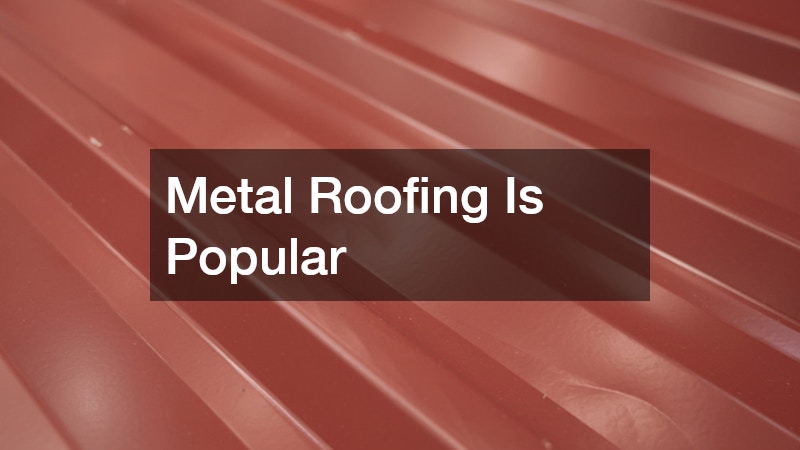
Metal roofing is a robust and adaptable choice that can be used on many types of commercial buildings. It can be made from various materials, including steel, aluminum, and copper, and is known for its long-lasting properties. Metal roofs can withstand extreme weather conditions, resisting winds up to 140 mph and providing excellent fire resistance. Additionally, they are often coated with reflective materials, improving energy efficiency by reducing cooling costs. While the initial cost of metal roofing may be higher than other options, its durability and low maintenance requirements can lead to significant savings in the long run.
4. Modified Bitumen Roofing
Modified bitumen roofing is a versatile and durable option for flat and low-slope commercial roofs. It is created by adding modifiers to asphalt, resulting in a material that has enhanced flexibility and resistance to extreme temperatures. There are two primary installation methods: hot asphalt or cold adhesives, making it adaptable to various situations. Modified bitumen roofs often come with additional reinforcement materials to increase their lifespan and resistance to punctures. This option is particularly attractive for commercial buildings looking for a reliable and affordable roofing solution that requires minimal maintenance.
5. Built-Up Roofing (BUR)
Built-up roofing (BUR) has been a traditional choice for commercial structures for decades. This multi-layered system consists of alternating layers of felt or fabric and hot asphalt or tar, forming a durable and long-lasting roof. BUR is particularly effective in creating a weather-resistant barrier, making it suitable for areas with heavy rainfall or snowfall. One of the significant advantages of BUR is the ability to add more layers for enhanced protection, which makes it highly customizable. Moreover, with proper care, a built-up roofing system can last 25 years or more, providing lasting value and peace of mind to property owners.
Choosing the right commercial roofing option for your building is crucial to ensuring its longevity and functionality. With so many materials and systems available—such as TPO, EPDM, metal roofing, modified bitumen, and built-up roofing—there’s a solution suitable for almost every property type and climate. Each choice has its unique benefits, and considering factors such as cost, durability, and maintenance requirements will guide you toward the best fit for your building. Collaborating with an experienced roofing contractor can also help you navigate your options effectively. By making an informed decision, you can secure a reliable roof that protects your property and enhances its value for years to come.