Managing a modern commercial site demands a proactive approach that balances long-term structural integrity with ongoing operational efficiency. Commercial properties are high-value investments, and their value depends heavily on how effectively ownership teams handle both initial site preparation and routine maintenance. When developing a raw parcel or expanding an existing footprint, property management teams face intricate logistics, strict environmental compliance standards, and heavy coordination between specialized trades. A failure in early site preparation can manifest years later as costly structural repairs, severe drainage failures, or safety liabilities that threaten tenant retention and property valuations.
At the same time, the ongoing maintenance of commercial facilities requires a clear strategy that prevents minor wear from evolving into structural catastrophes. Modern facilities feature complex systems ranging from heavily engineered foundations and specialized exterior cladding to sophisticated commercial refrigeration units and massive asphalt surfaces. Overseeing these physical assets calls for clear communication, rigorous contractor selection, and systematic project scheduling. By prioritizing structural sound practices during site clearing and establishing robust preventive upkeep routines, asset managers protect their capital investments and maintain a pristine environment for business operations.
Strategic Planning for Comprehensive Site Preparation
Conduct Thorough Initial Site Evaluations
Before breaking ground on any major development or expansion project, modern facility managers must execute thorough site assessments. Comprehensive ground testing, boundary surveys, and environmental impact assessments provide the baseline data required to design safe, stable structures. Skipping early site evaluations often leads to unpredicted soil instability, hidden underground utilities, or unexpected bedrock that inflates costs and causes project delays. Working alongside experienced commercial contractors during the initial evaluation stage helps project leaders uncover hidden subsurface issues and establish realistic project budgets early in the planning timeline.
Execute Safe Excavation and Demolition Operations
Clearing land for new commercial facilities frequently requires removing obsolete structures, old foundations, and dense vegetation. Safe demolition and land clearing demand strict adherence to local zoning laws, structural safety protocols, and utility markouts. Engaging qualified local demolition contractors guarantees that structural removals are executed efficiently while preventing unintended damage to surrounding infrastructure or utility lines. Proper debris sorting during this phase also allows management teams to recycle concrete and steel, aligning site preparation with contemporary sustainability initiatives.
Manage Soil Stabilization and Foundation Foundations
Proper soil preparation is the literal foundation of any commercial construction project. Unstable or expansive soils must be removed, engineered, or stabilized with additives to ensure they can support heavy structural loads without settling unevenly. Once earthwork is complete, project teams must secure reliable concrete services to pour engineered footings, slab foundations, and structural retaining walls. Proper concrete installation requires precise chemical mixing, reinforcement placement, and temperature-controlled curing to prevent early cracking and long-term settlement issues.
Mitigate Environmental Hazards and Compliance Risks
Brownfield redevelopments and older commercial parcels often contain soil or structural contaminants that must be remediated prior to construction. Identifying asbestos, heavy metals, or fuel residues early protects worker health and prevents massive regulatory fines from environmental protection agencies. Handling these materials requires specialized handling, certified containment, and legally compliant transportation to approved disposal facilities. Hiring certified professionals for hazardous waste removal ensures that all toxic materials are extracted cleanly and documented according to local and federal regulations.
Establish Effective Site Drainage and Erosion Controls
Water is one of the most destructive elements facing any commercial property. Proper grading, retention basin construction, and stormwater management systems must be installed during early site preparation to direct runoff away from structures and neighboring parcels. Temporary erosion barriers, silt fences, and quick-growing ground covers prevent topsoil washouts and keep nearby waterways clean during earth-moving operations. Proper preliminary grading also ensures that future parking areas, pedestrian walkways, and building foundations remain free from standing water during heavy storms.
Implementing Core Structural Integrity and Envelope Protection
Prevent Below-Grade Moisture Intrusion
Protecting subterranean building elements from water infiltration is crucial for preventing structural degradation, mold growth, and interior finish damage. Foundation walls and basement slabs require robust membrane barriers, drainage boards, and weeping tiles to deflect hydrostatic pressure. Partnering with certified commercial waterproofing contractors guarantees that moisture barriers are applied flawlessly to foundation exteriors before backfilling occurs, safeguarding the building envelope against persistent groundwater penetration.
Upgrade Exterior Cladding Systems
The exterior envelope of a commercial facility acts as its primary shield against extreme weather, thermal loss, and physical impact. Modern architectural designs increasingly rely on durable, weather-resistant exterior cladding materials that balance structural protection with clean visual appeal. Implementing high-performance formed metal panels on exterior walls provides long-term resistance to moisture, corrosion, and high winds while significantly improving building insulation. Regular inspection of wall panel joints, sealants, and trim prevents moisture from seeping behind the building envelope.
Enhance Building Insulation and Energy Efficiency
Building envelopes must do more than just block liquid water; they must also control thermal movement and air leakage. Installing continuous high-density insulation and smart vapor retarders inside wall assemblies drastically reduces heating and cooling costs for large facilities. Enhancing exterior insulation also protects internal structural framing from extreme temperature swings, minimizing thermal expansion and contraction stresses that can weaken joint connections over time.
Secure Roof Assemblies against Weathering
Flat and low-slope roofs are particularly vulnerable to standing water, ultraviolet radiation, and wind uplift. Commercial roof management requires routine inspections of flashings, expansion joints, roof drains, and membrane seams to catch minor leaks before they damage interior ceiling systems or electrical infrastructure. Establishing a routine cleaning schedule to clear debris from scuppers and internal drains prevents ponding water from exceeding structural weight limits during heavy rainfall events.
Optimizing Exterior Grounds and Parking Infrastructure
Plan Pavement Design for Heavy Traffic
Parking lots and service driveways endure severe mechanical stress from delivery trucks, employee vehicles, and heavy equipment. Designing a durable paved surface requires a thick, well-compacted aggregate base covered by multiple layers of high-grade asphalt mix tailored to local climate conditions. Contracting a skilled parking lot paving contractor ensures that sub-base compaction, slope drainage, and asphalt thickness meet strict engineering standards designed to resist rutting and surface cracking under heavy vehicle loads.
Establish Routine Pavement Maintenance Routines
Even the most expertly paved surfaces degrade over time due to weather exposure, oil spills, and continuous traffic. Developing a preventive maintenance schedule for asphalt surfaces extends their operational lifespan significantly while reducing trip hazards for visitors and tenants. Working with specialized commercial asphalt companies allows property managers to systematically seal coat surfaces, fill expansion cracks, and perform targeted patch repairs before water penetrates the sub-base and causes widespread structural potholing.
Improve Safety and Traffic Flow Markings
Well-maintained exterior grounds require clear traffic direction, designated parking spaces, and compliant accessibility zones to protect vehicles and pedestrians. Bright, high-visibility layout striping, clear directional arrows, and properly placed concrete wheel stops prevent accidents in busy commercial parking structures. Management teams must regularly re-stripe faded lines and repair broken speed bumps to maintain orderly traffic movement across the site.
Implement Proactive Drainage Management for Exterior Pavement
Standing water is the single greatest threat to asphalt and concrete pavements. When water penetrates surface cracks and freezes, it expands, causing severe cracking, sub-base displacement, and surface failure. Facility managers must regularly clear catch basins, clean stormwater channels, and repair broken curbing to ensure water flows smoothly off paved surfaces into designated drainage infrastructure.
Maintain Landscape Aesthetics and Visibility
Exterior landscaping enhances a commercial facility’s visual appeal while helping to manage stormwater runoff. However, overgrown trees and unmaintained shrubs can create security risks, block directional signage, and drop leaves that clog drain inlets. Tree roots can also lift nearby sidewalks and break underground utility lines. Routine trimming, root pruning, and seasonal cleanup preserve exterior aesthetics without compromising underground or surface infrastructure.
Specialization in Interior and Mechanical System Maintenance
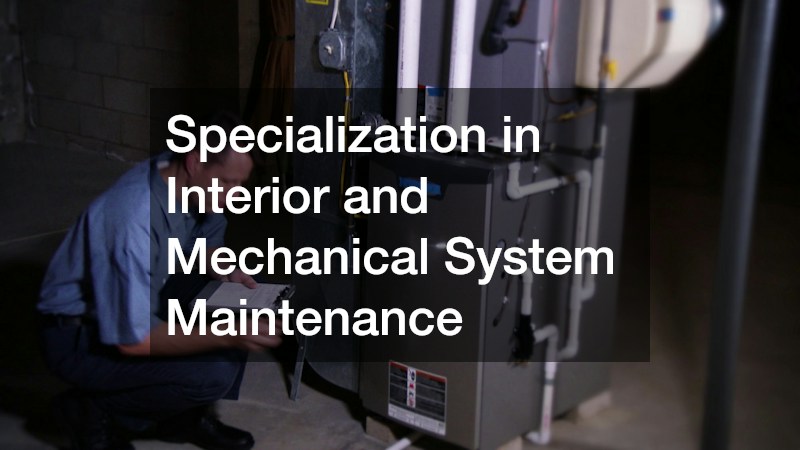
Manage Temperature-Controlled Environments and Cold Storage
For commercial facilities in the food, beverage, pharmaceutical, or logistics sectors, climate-controlled spaces are essential operational assets. Refrigeration units, walk-in freezers, and cold-storage rooms require precise temperature management to safeguard sensitive inventory and comply with health regulations. Partnering with reputable local commercial refrigeration technicians ensures that compressors, condensers, and evaporators receive regular tune-ups, refrigerant leak checks, and filter replacements to operate at peak efficiency.
Perform Routine HVAC and Environmental Controls Maintenance
Large-scale commercial heating, ventilation, and air conditioning systems are the heart of indoor environmental quality. Unfiltered air, dirty coils, and worn blower belts force HVAC systems to consume excess electricity while failing to maintain comfortable indoor temperatures. Facilities teams should implement a strict schedule for replacing filters, cleaning ductwork, testing thermostats, and balancing airflow to ensure tenant comfort and minimize utility expenses.
Protect Internal Plumbing and Waste Lines
Commercial plumbing systems handle vast volumes of water and wastewater every day. High-use restrooms, commercial kitchens, and industrial processing lines demand frequent inspections to prevent hidden leaks, backflows, and line blockages. Installing backflow preventers, maintaining grease traps, and performing periodic hydro-jetting on main sewer lines prevent costly plumbing backups that could interrupt business operations.
Overhaul Electrical Distribution and Emergency Power
Modern commercial facilities consume significant electrical power to run computing infrastructure, machinery, and climate systems. Routine thermal imaging scans of main breaker panels help maintenance teams detect loose wiring connections and overloaded circuits before electrical failures or fires occur. Additionally, backup generators and uninterruptible power supply systems must be load-tested monthly to guarantee immediate activation during municipal grid blackouts.
Strategic Asset Management and Tenant Relations
Streamline Facility Oversight and Budgeting
Managing complex physical infrastructure requires systematic tracking of maintenance histories, warranty schedules, and vendor performance. Utilizing digital computerized maintenance management software allows facility leaders to log work orders, track equipment lifecycle costs, and schedule preventive care automatically. Clear data tracking prevents overlooked maintenance tasks and helps management teams present accurate capital improvement budgets to property owners.
Enhance Leasing Relationships Through Property Standards
The physical condition of a commercial building directly impacts tenant satisfaction, lease renewal rates, and overall property values. A clean, well-maintained facility with smooth parking surfaces, secure roofing, and efficient HVAC systems commands higher rental rates and attracts high-caliber business occupants. Partnering with a professional commercial property leasing company helps property owners market well-maintained real estate effectively, ensuring steady occupancy rates and optimal financial returns.
Prioritize Emergency Preparedness and Business Continuity
Unexpected weather events, power outages, and structural mishaps can disrupt operations without warning. Property management teams must develop comprehensive emergency response plans that define immediate action steps for various crisis scenarios. Storing emergency response supplies on-site, establishing priority repair service agreements with key contractors, and conducting regular safety drills ensures that building occupants remain safe and facilities can resume operations quickly after an emergency.
Implement Sustainable Building Practices
Modern commercial tenants increasingly prioritize sustainability when choosing operational facilities. Integrating energy-efficient lighting, water-conserving plumbing fixtures, smart building automation, and high-performance building envelope insulation lowers operating costs while reducing carbon footprints. Investing in sustainable infrastructure updates enhances the property marketability while future-proofing the facility against evolving environmental regulations.
Key Factors for Long-Term Property Success
To ensure seamless execution across all phases of site preparation and physical plant maintenance, facility managers should structure their operational focus around five primary pillars:
- Regulatory Compliance and Permitting: Maintain up-to-date permits for structural modifications, environmental handling, and stormwater management to avoid work stoppages and costly legal penalties.
- Quality Trades Selection: Vet subcontractors thoroughly based on licensing, safety records, industry certifications, and proven historical performance on similar commercial projects.
- Preventive Maintenance Scheduling: Transition from reactive fixing to proactive maintenance schedules to maximize equipment lifespans and lower overall operational expenses.
- Detailed Property Documentation: Maintain digital archives of site utility maps, structural engineering plans, equipment manuals, and service contracts for rapid troubleshooting.
- Proactive Financial Planning: Establish adequate capital reserve funds dedicated specifically to major structural repairs, repaving projects, and mechanical equipment replacements.
Maximizing Commercial Property Value
Successfully managing commercial real estate demands equal attention to initial site development and long-term facility maintenance. Early investments in proper ground clearing, soil engineering, environmental remediation, and structural waterproofing create a stable platform for long-term building durability. Skipping these foundational steps inevitably leads to premature structural failures, safety hazards, and ballooning repair costs down the road.
Likewise, keeping exterior grounds, mechanical systems, and interior building envelopes in pristine condition preserves asset values and keeps tenants satisfied. By pairing proactive preventive maintenance with specialized contractor partnerships, property leaders can safeguard their real estate investments, lower ongoing operating costs, and maintain a competitive edge in the modern commercial market.